
Radiography
How to Teach Radiographic Positioning When Lab Time Is Limited
· 5 min read · Davak Medical VR
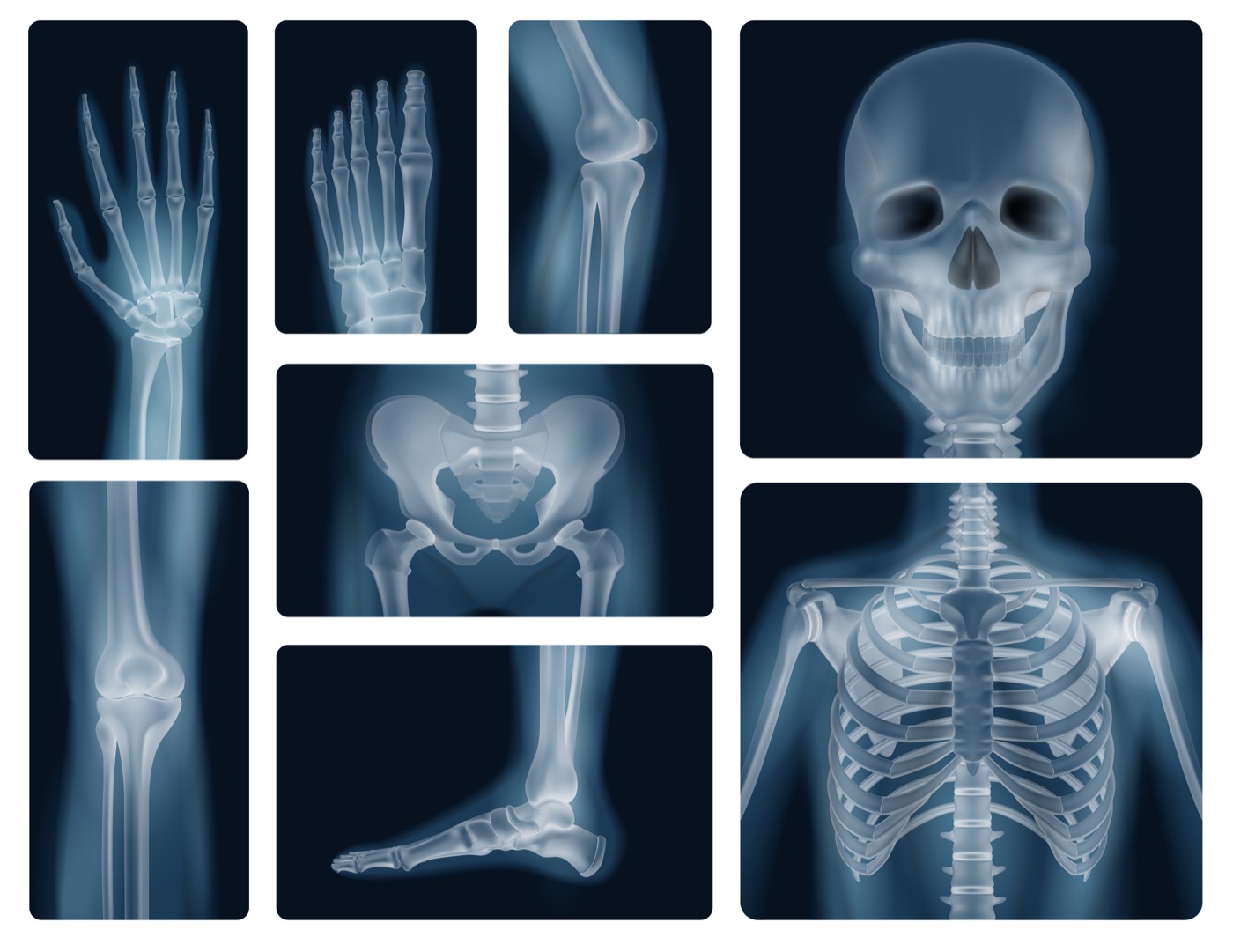
Every radiography lecturer knows the arithmetic. A cohort of sixty, one teaching X-ray room, a few hours a week. Even with perfect organisation, each student handles the equipment for a few minutes. Positioning is a physical skill, and physical skills are learned by repetition that the timetable cannot provide.
These are approaches departments use to close that gap.
1. Separate what needs the room from what does not
Much of what is taught in the X-ray room does not need radiation or even the real equipment: the sequence of the examination, where the central ray goes, how the patient is rotated, which exposure factors suit which body part. Teach and rehearse these elsewhere, and keep the room for what only the room can give.
2. Have students practise before they arrive
If a student's first attempt at a lateral cervical spine happens in the lab, most of the session is spent on basics. If they have already practised it, the session can be spent on refinement. Simulation makes this possible: the student positions a virtual patient, sets the tube and takes the exposure as many times as they need, with no radiation.
3. Make the image the feedback
Students learn positioning fastest when they see the consequence of their choice. A rotated chest, a clipped apex, an image too dark from the wrong mAs. In a working department you cannot let a student repeat an exposure on a patient to see the difference. In simulation, the wrong image is the lesson, and the student simply tries again.
4. Assess the settings, not only the picture
A good image can be reached by a poor route. When each attempt is saved with the settings used (kVp, mAs, distance, collimation, grid), the lecturer can see how the student got there and correct habits early.
- Set one projection a week as a task
- Ask for the image and the settings together
- Review the common errors with the whole class
5. Cover the projections placement will not
Students on placement see a great many chests and limbs and very few of the specialised views. A simulated library of projections means the rare examinations in the syllabus are practised by everyone, rather than by whoever happened to be on shift that day.
The result
None of this removes the need for the X-ray room or for clinical placement. It changes what they are used for. Students arrive able to perform the examination, and the scarce hours with real equipment go to judgement and patient care.